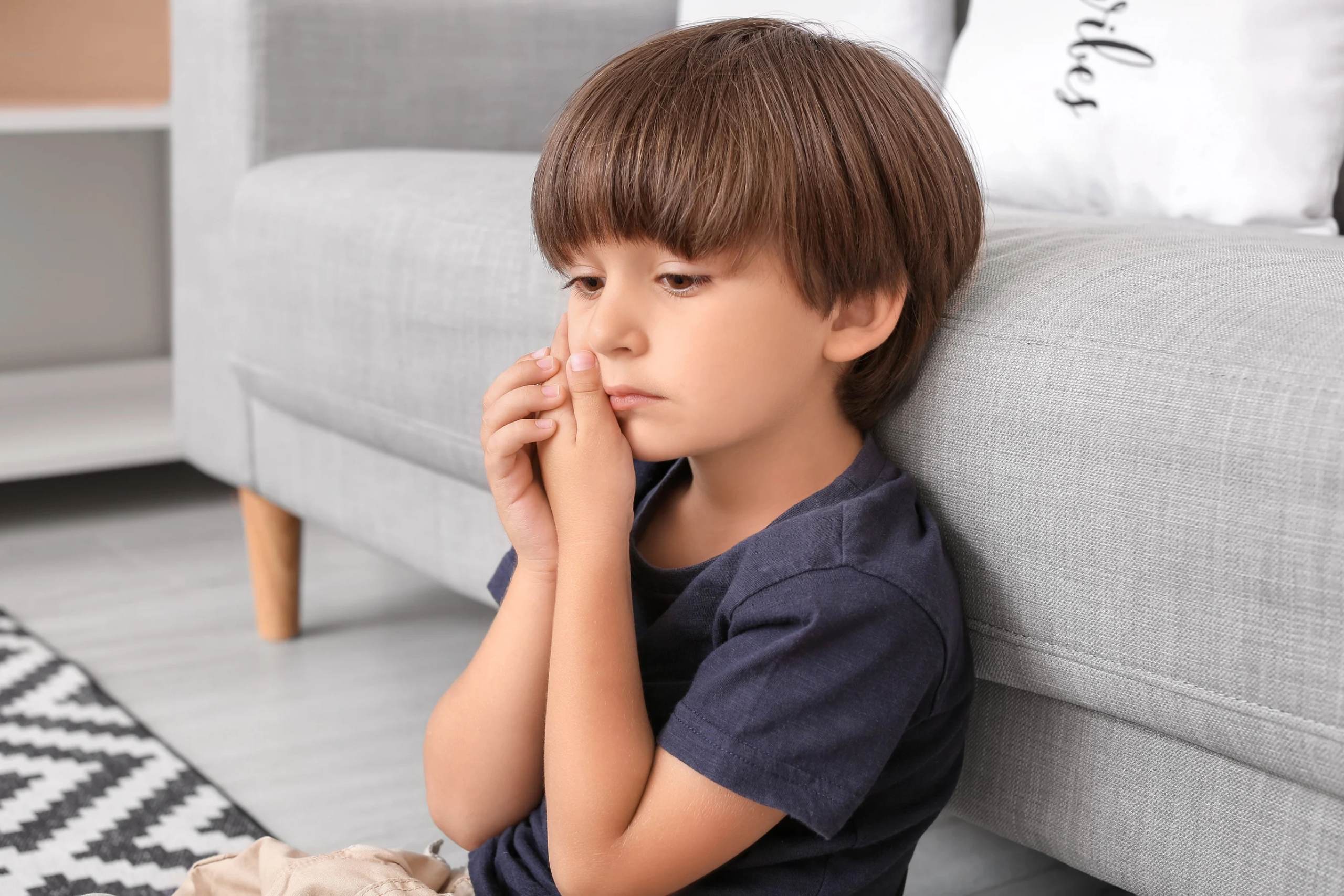
Why Does My Child Have Jaw Pain on One Side?
Jaw pain that occurs only on one side of your child’s mouth can happen for several reasons, including dental problems involving a tooth, chewing muscles,
Jaw pain that occurs only on one side of your child’s mouth can happen for several reasons, including dental problems involving a tooth, chewing muscles,
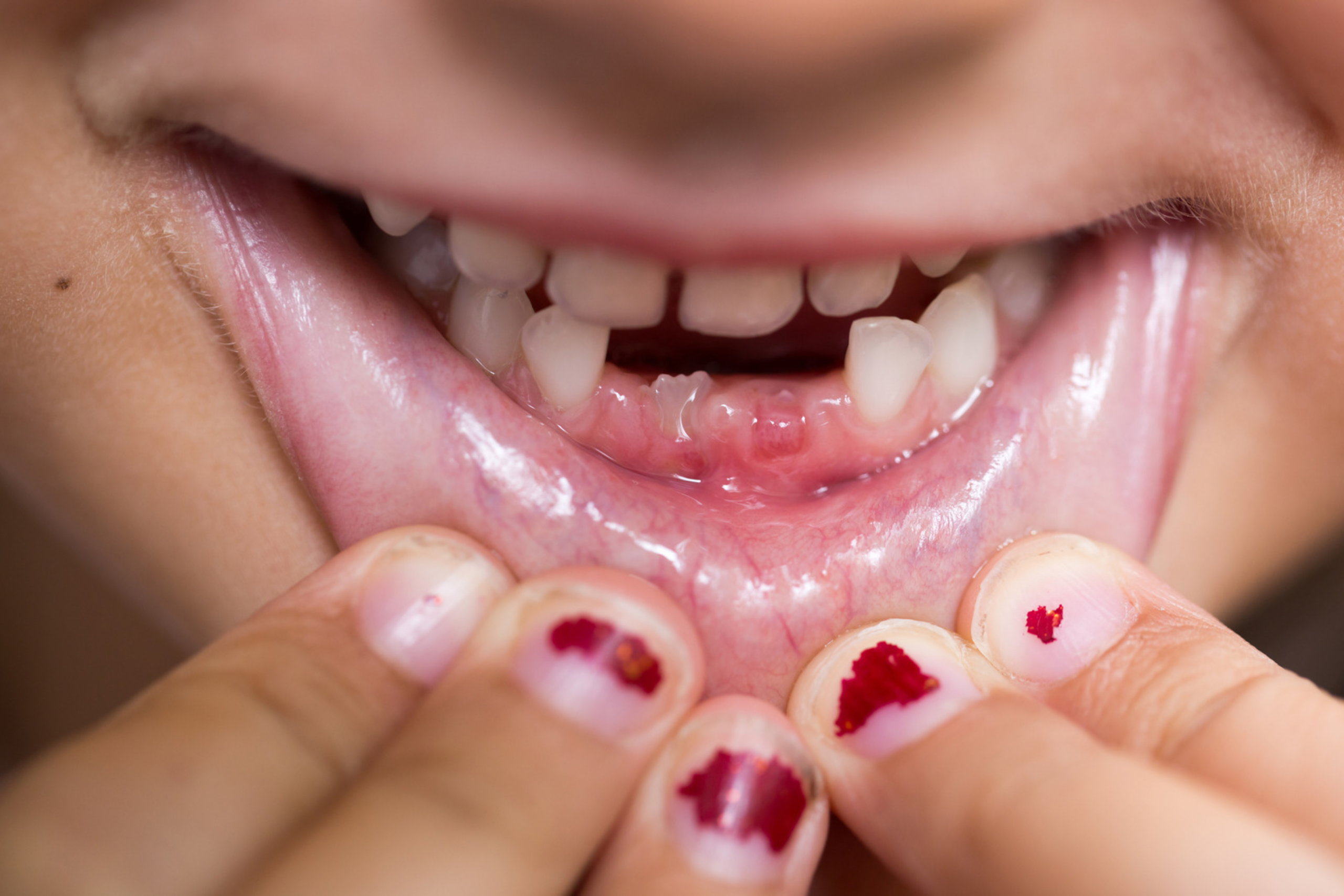
On average, an infant’s teeth start erupting between 6 and 12 months, and most kids will have all 20 of their primary teeth in place

Hypodontia is a developmental dental condition in which one or more permanent teeth — the adult teeth meant to replace baby teeth — never develop.
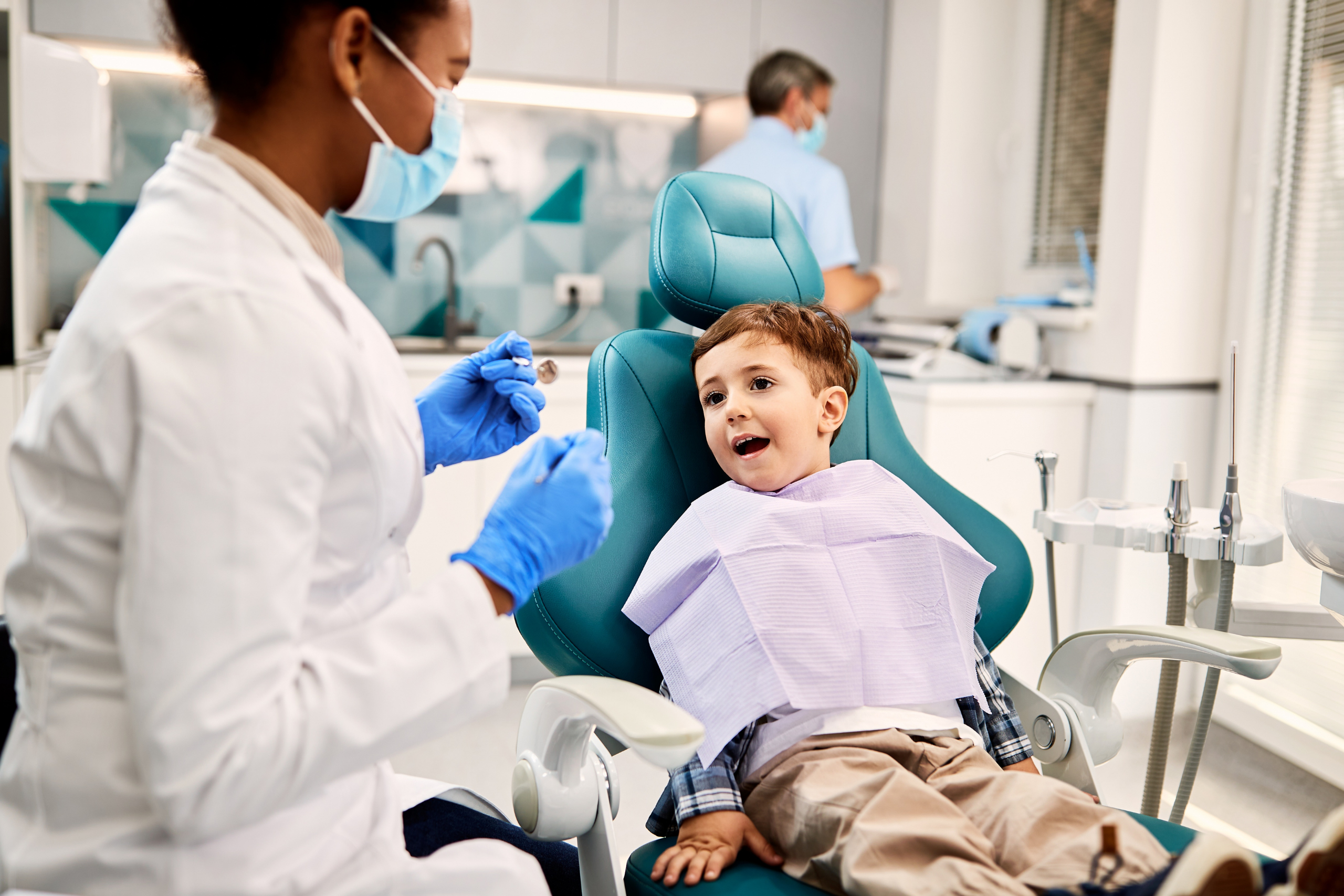
A child dental abscess is a serious infection that develops when bacteria enter the inside of a tooth or the surrounding gums. While it may
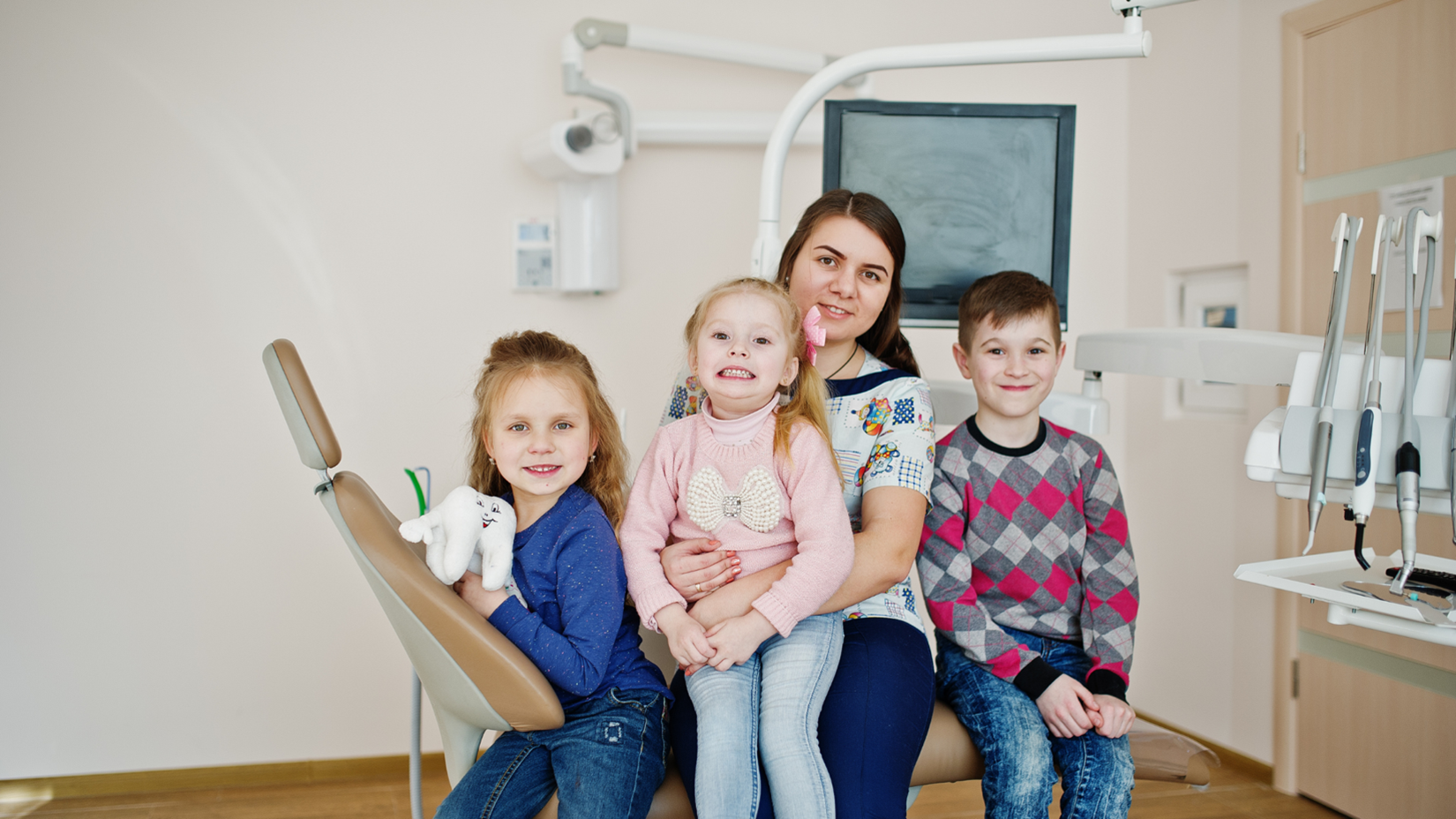
If a change in insurance participation has your family looking for a new pediatric dentist, Ironwood is here to help. Looking for an Alternative that

A toddler’s tooth turning gray can be alarming for any parent. In many cases, the discoloration appears weeks after a child falls, bumps their mouth,
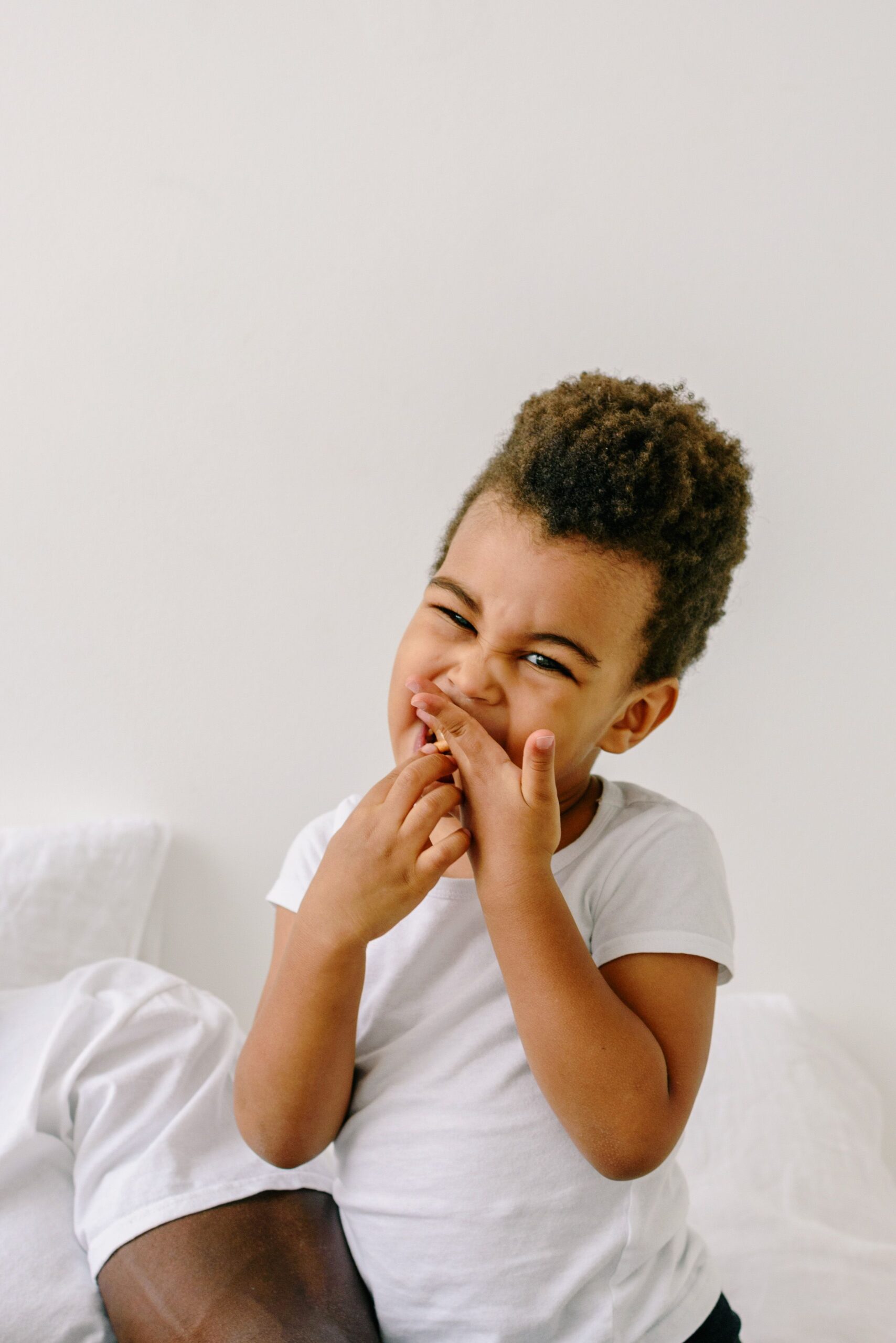
A toddler’s chipped tooth can happen in an instant — a fall while learning to walk, a collision during play, or a tumble off a
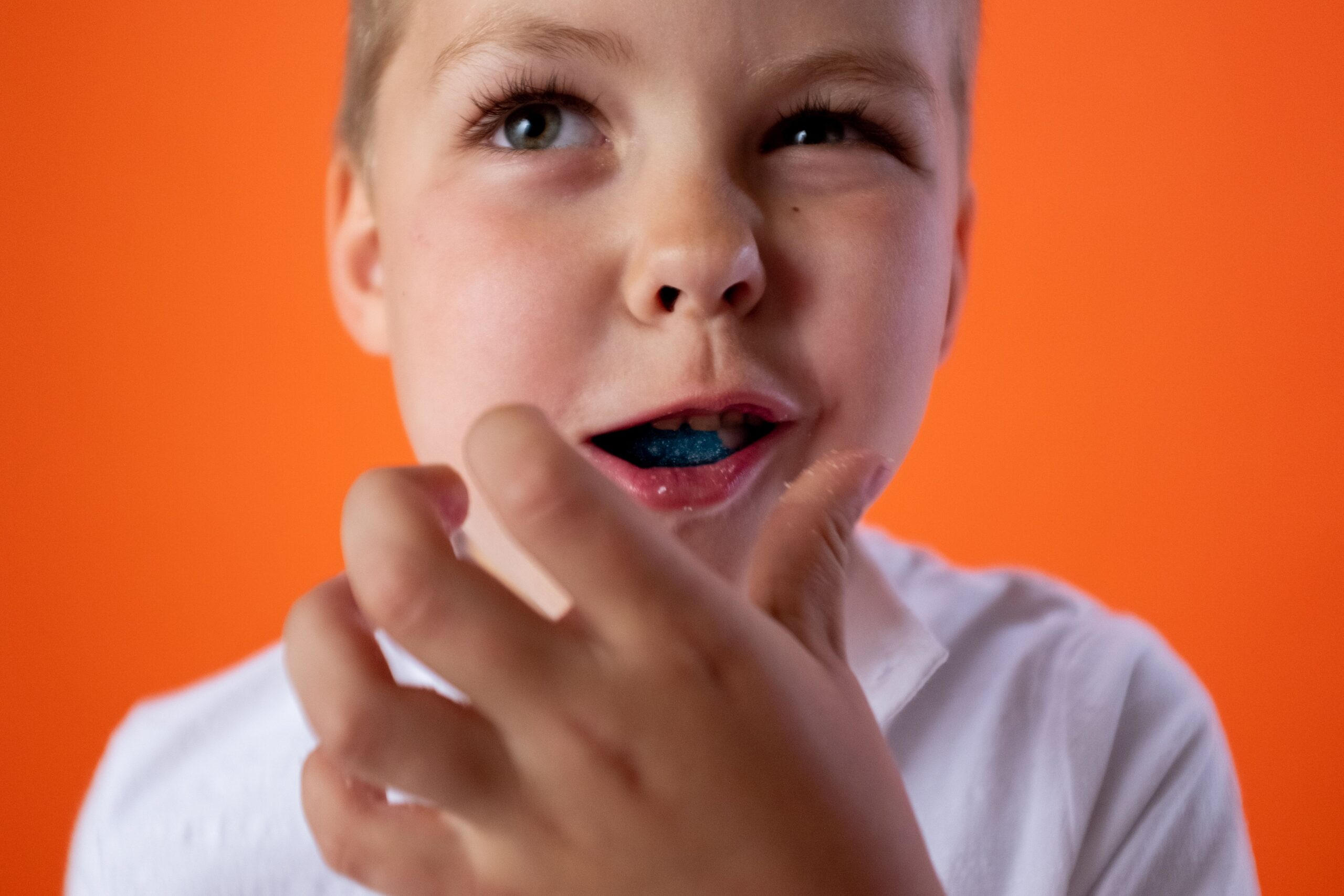
Tooth infection occurs when enamel decay or a tooth injury allows bacteria to reach the dental pulp of the affected tooth. When this happens, it
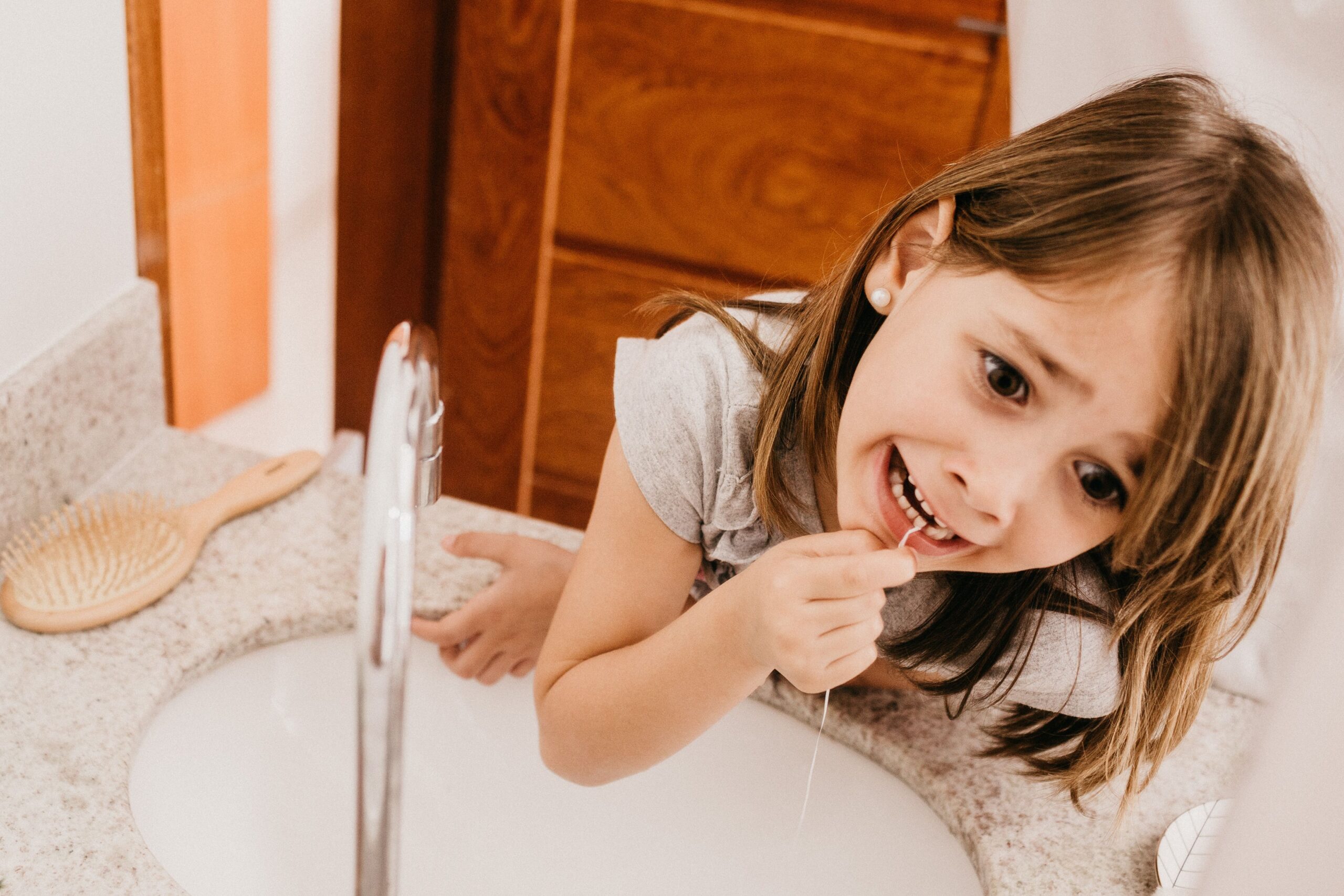
If your child is experiencing tooth pain, you may have noticed it gets worse at night. Tooth pain at night in children almost always has